CRDT and SQLite: Local-First Value Synchronization

marcobambini.substack.com
crdt-and-sqlite:-local-first-value-synchronization

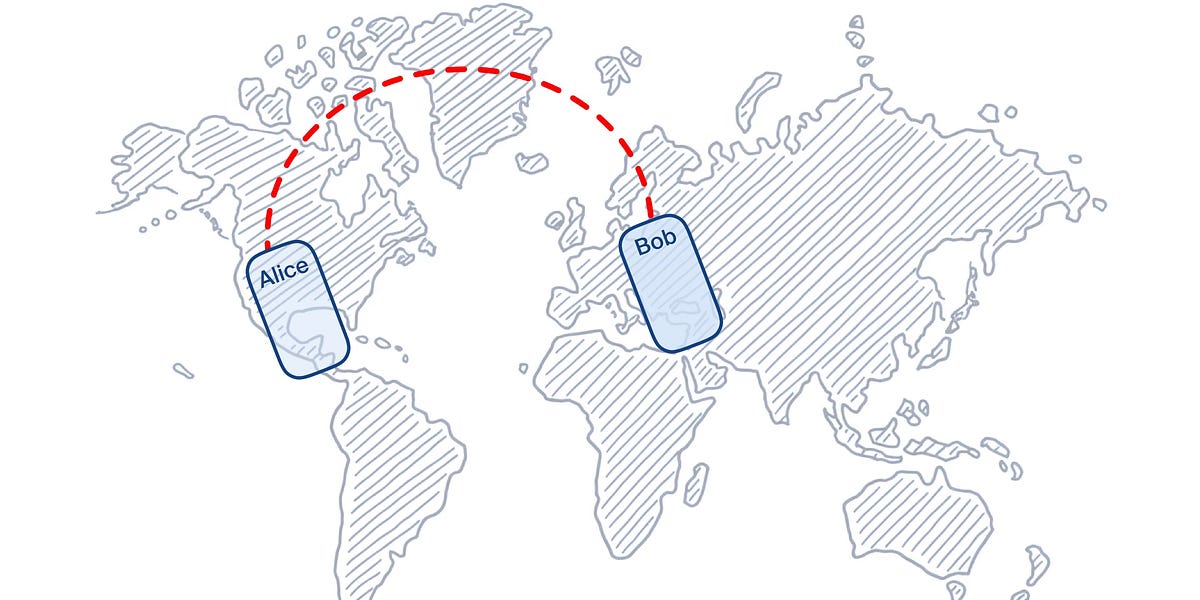
A deep dive into how CRDT-powered local-first apps track, merge, and sync every INSERT, UPDATE, and DELETE inside SQLite. In my previous article, I provided a broad explanation of the algorithms that allow local-first applications to synchronize data correctly using … Read more

Show HN: Base, an SQLite database editor for macOS

menial.co.uk
show-hn:-base,-an-sqlite-database-editor-for-macos

Detailed Schema Inspector Manage your database structure with Base’s schema inspector, making understanding your tables effortless. View table schemas, column types, constraints, and relationships at a glance. Understand your table design without digging through SQL.

SQLite async connection pool for high-performance

github.com
sqlite-async-connection-pool-for-high-performance

aiosqlitepool is a high-performance connection pool for asyncio SQLite applications. By managing a pool of reusable database connections, it eliminates connection overhead and delivers significant performance gains. Important: aiosqlitepool is not a SQLite database driver. It’s a performance-boosting layer that … Read more

SQLite Date and Time Functions (2007)

www2.sqlite.org

The document describes default date and time functions in SQLite. This document is a supplement to the function documentation found on the SQL Expression Syntax page. Function Overview Five date and time functions are available, as follows: date( timestring, modifier, … Read more

SQLite Transactions and Virtual Tables

misfra.me

In my previous post I introduced SQL virtual tables and how to use them in Go—registering modules per connection, defining schemas, and querying external sources as regular tables. Now let’s dive into more advanced virtual-table implementations: those that support writes … Read more

SQLite Disk Page Explorer

github.com
sqlite-disk-page-explorer

A small GUI application built in redbean that lets you explore your SQLite databases “page by page” the way SQLite sees them. SQLite (and most databases) store data in disk-block-sized pages, usually 4KB, which helps make reads and writes as … Read more