Skip to content

READING LIST

  • About
  • Archived Links

Reverse-Engineering

Reverse-engineering the Yamaha DX7 synthesizer’s sound chip from die photos (2021)

righto.com
2025-12-292024-01-11 by librarian
reverse-engineering-the-yamaha-dx7-synthesizer’s-sound-chip-from-die-photos-(2021)

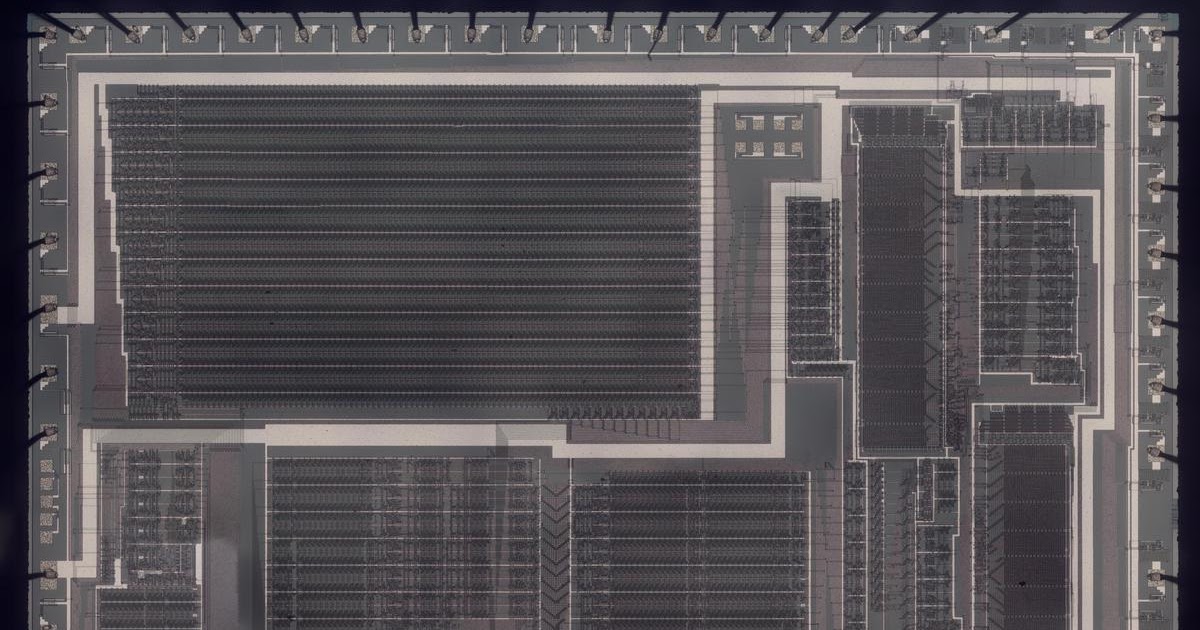
The Yamaha DX7 digital synthesizer was released in 1983 and became “one of the most important advances in the history of modern popular music”1. It defined the sound of 1980s pop music, used by bands from A-ha and Michael Jackson … Read more
Categories Reverse-Engineering

Reverse-engineering the classic MK4116 16-kilobit DRAM chip

righto.com
2025-12-292023-09-24 by librarian
reverse-engineering-the-classic-mk4116-16-kilobit-dram-chip

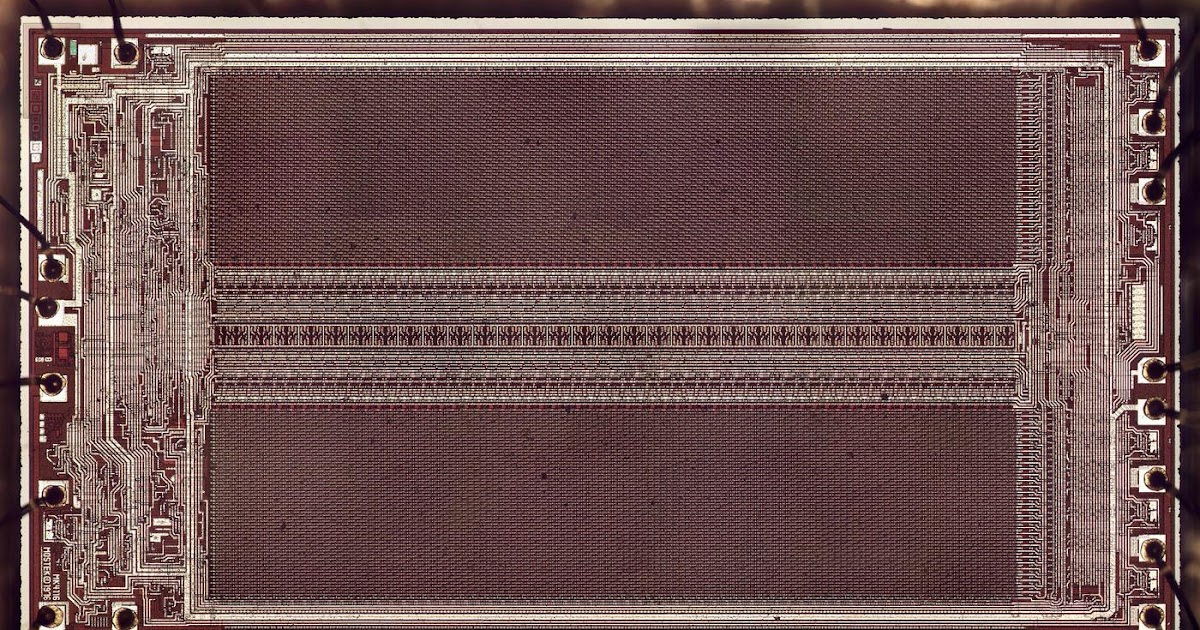
Back in the late 1970s, the most popular memory chip was Mostek’s MK4116, holding a whopping (for the time) 16 kilobits. It provided storage for computers such as the Apple II, TRS-80, ZX Spectrum, Commodore PET, IBM PC, and Xerox … Read more

Categories Reverse-Engineering

Reverse-engineering the 8086 processor’s address and data pin circuits

righto.com
2025-12-292023-07-08 by librarian
reverse-engineering-the-8086-processor’s-address-and-data-pin-circuits

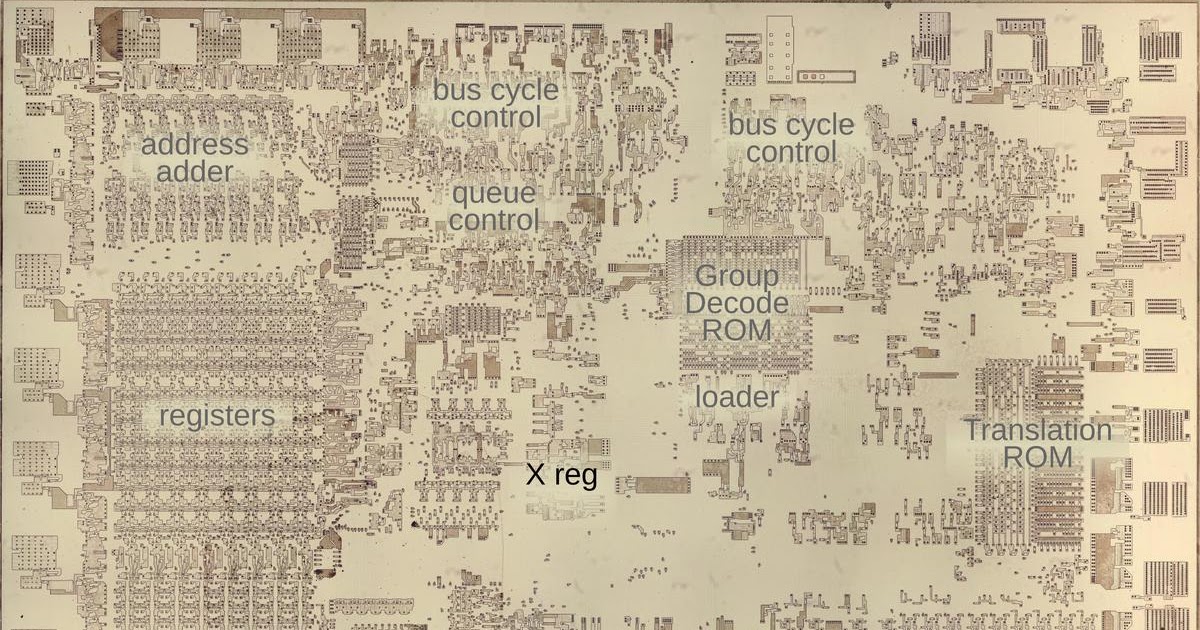
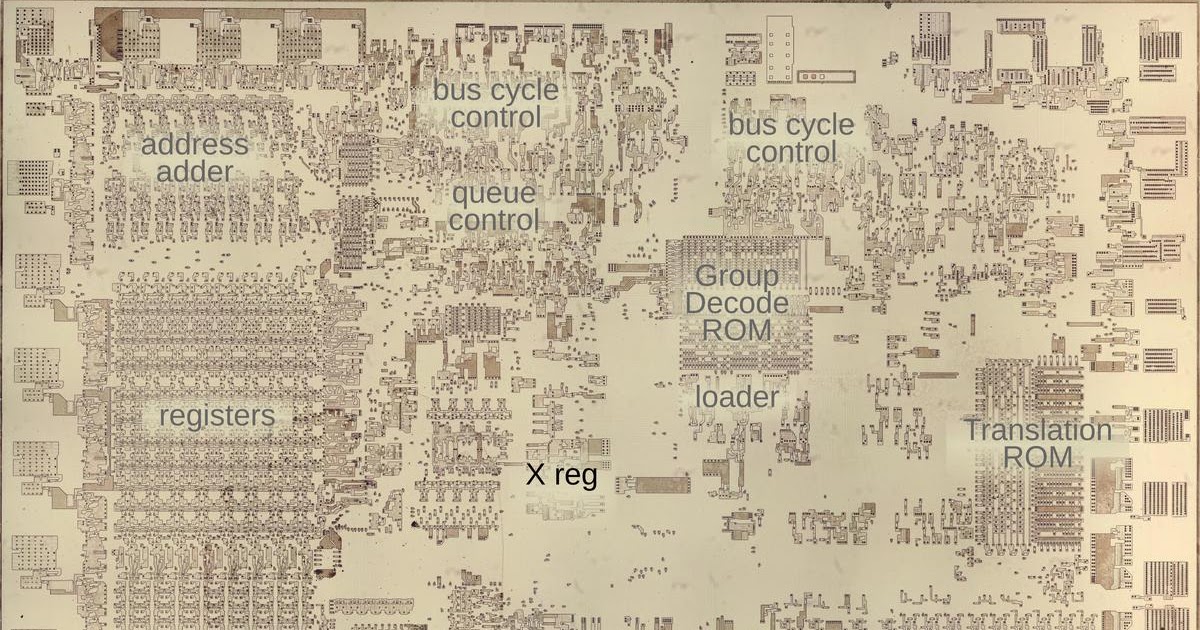
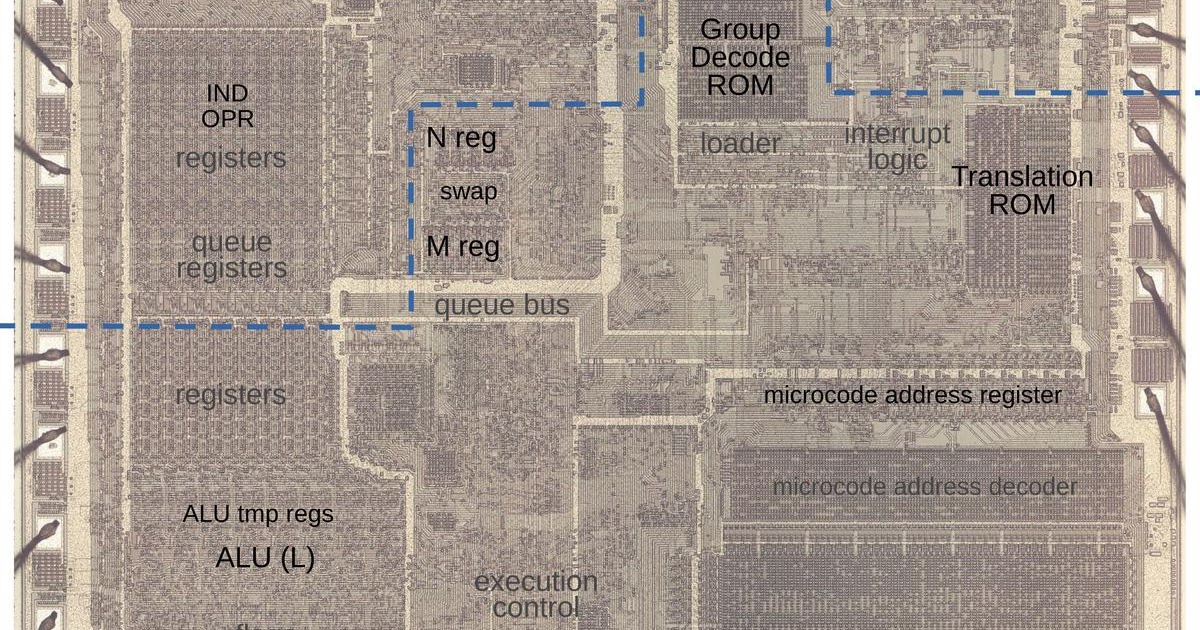
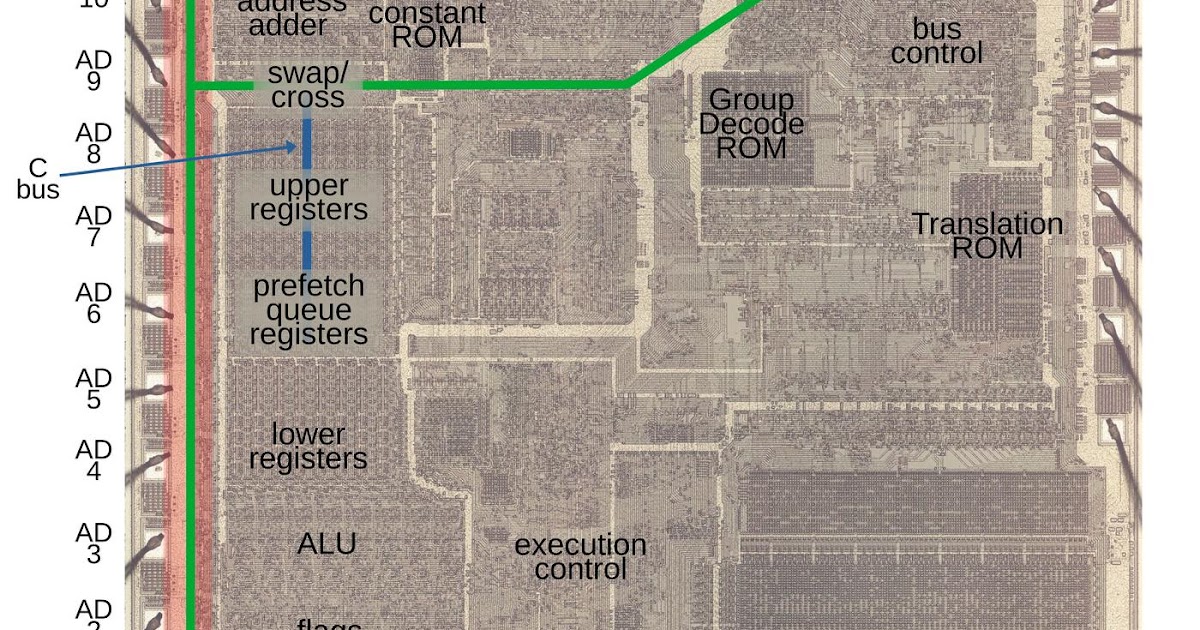
The Intel 8086 microprocessor (1978) started the x86 architecture that continues to this day. In this blog post, I’m focusing on a small part of the chip: the address and data pins that connect the chip to external memory and … Read more

Categories Reverse-Engineering

Reverse-engineering the division microcode in the Intel 8086 processor

righto.com
2025-12-292023-04-08 by librarian
reverse-engineering-the-division-microcode-in-the-intel-8086-processor

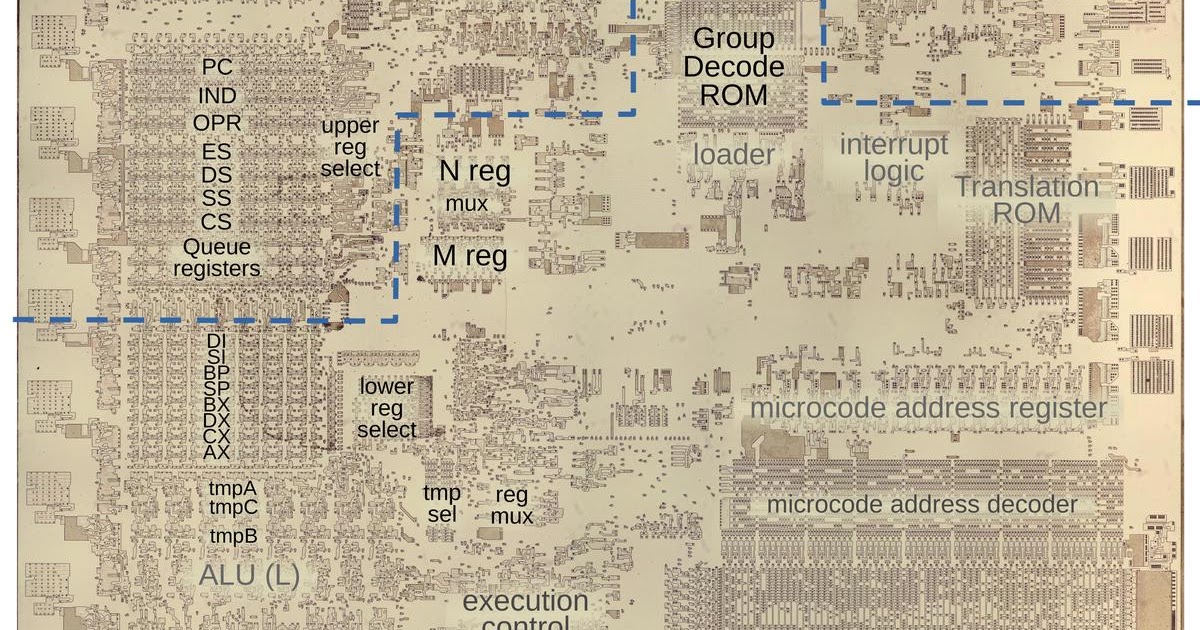
While programmers today take division for granted, most microprocessors in the 1970s could only add and subtract — division required a slow and tedious loop implemented in assembly code. One of the nice features of the Intel 8086 processor (1978) … Read more

Categories Reverse-Engineering

Reverse-engineering the Globus INK, a Soviet spaceflight navigation computer

righto.com
2025-12-292023-03-26 by librarian
reverse-engineering-the-globus-ink,-a-soviet-spaceflight-navigation-computer

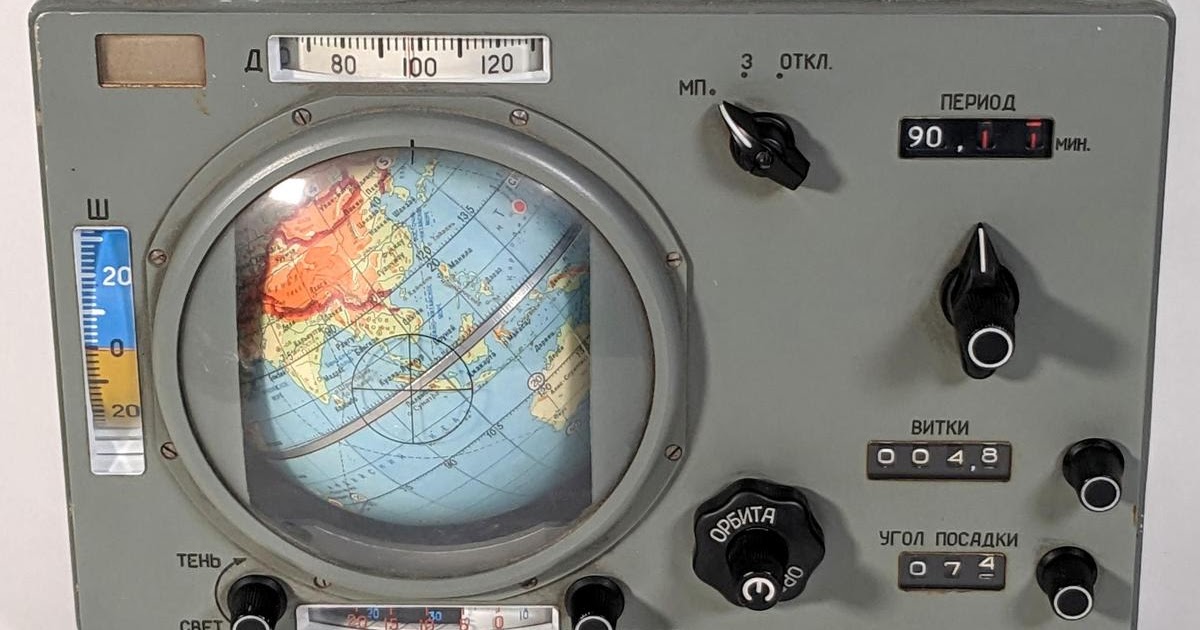
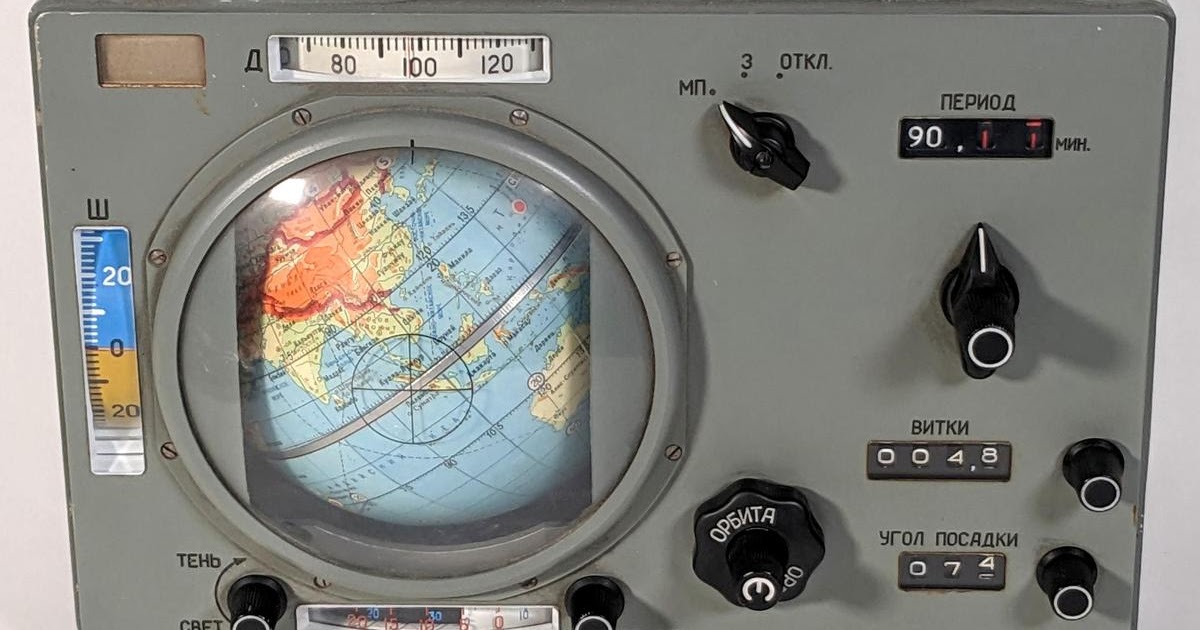
One of the most interesting navigation instruments onboard Soyuz spacecraft was the Globus INK,1 which used a rotating globe to indicate the spacecraft’s position above the Earth. This electromechanical analog computer used an elaborate system of gears, cams, and differentials … Read more

Categories Reverse-Engineering

Reverse-engineering the multiplication algorithm in the Intel 8086 processor

righto.com
2025-12-292023-03-15 by librarian
reverse-engineering-the-multiplication-algorithm-in-the-intel-8086-processor

While programmers today take multiplication for granted, most microprocessors in the 1970s could only add and subtract — multiplication required a slow and tedious loop implemented in assembly code.1 One of the nice features of the Intel 8086 processor (1978) … Read more

Categories Reverse-Engineering

Reverse-engineering the register codes for the 8086 processor’s microcode

righto.com
2025-12-292023-03-12 by librarian
reverse-engineering-the-register-codes-for-the-8086-processor’s-microcode

Like most processors, the Intel 8086 (1978) provides registers that are faster than main memory. As well as the registers that are visible to the programmer, the 8086 has a handful of internal registers that are hidden from the user. … Read more

Categories Reverse-Engineering

Reverse-engineering the electronics in the Globus analog navigational computer

righto.com
2025-12-292023-03-06 by librarian
reverse-engineering-the-electronics-in-the-globus-analog-navigational-computer

In the Soyuz space missions, cosmonauts tracked their position above the Earth with a remarkable electromechanical device with a rotating globe. This navigation instrument was an analog computer that used an elaborate system of gears, cams, and differentials to compute … Read more

Categories Reverse-Engineering

Reverse-engineering the ModR/M addressing microcode in the Intel 8086 processor

righto.com
2025-12-292023-02-27 by librarian
reverse-engineering-the-modr/m-addressing-microcode-in-the-intel-8086-processor

One interesting aspect of a computer’s instruction set is its addressing modes, how the computer determines the address for a memory access. The Intel 8086 (1978) used the ModR/M byte, a special byte following the opcode, to select the addressing … Read more

Categories Reverse-Engineering

Reverse-engineering the interrupt circuitry in the Intel 8086 processor

righto.com
2025-12-292023-02-22 by librarian
reverse-engineering-the-interrupt-circuitry-in-the-intel-8086-processor

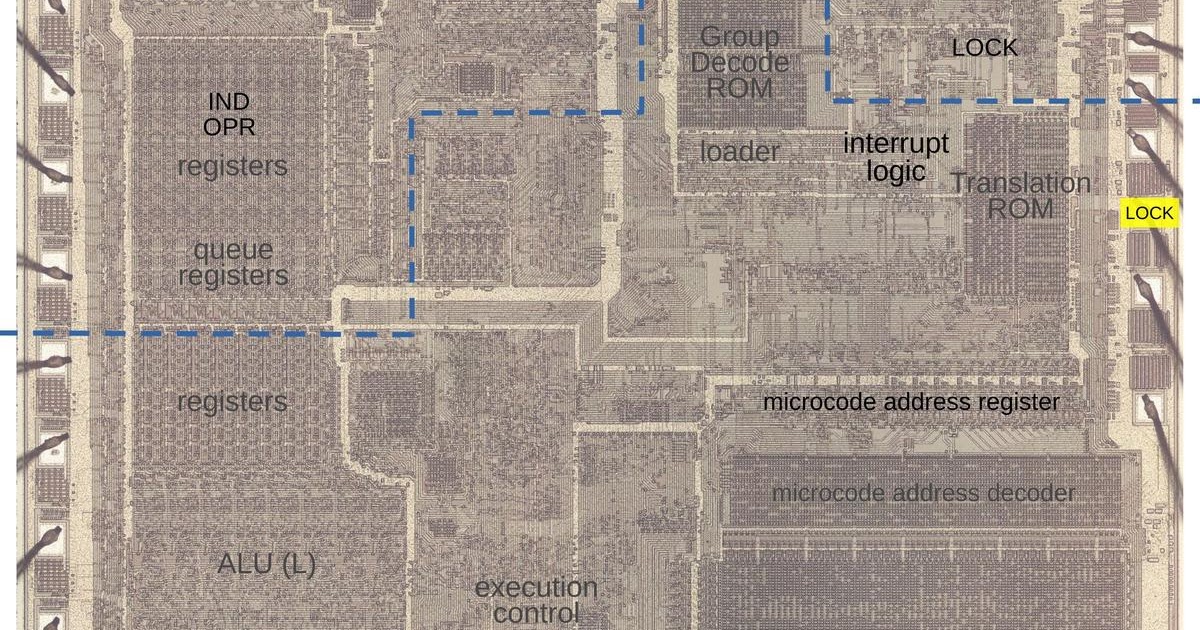
Interrupts have been an important part of computers since the mid-1950s,1 providing a mechanism to interrupt a program’s execution. Interrupts allows the computer to handle time-critical tasks such as I/O device operations. In this blog post, I look at the … Read more

Categories Reverse-Engineering
Older posts
Newer posts
← Previous Page1 Page2 Page3 Page4 Next →

Recent Posts

  • No Man Is an Island
  • Ideas aren’t getting harder to find, anyone who tells you otherwise is a coward
  • Show HN: Carrier-Explode: iPhone, Pixel and Galaxy carrier settings decoded
  • TypeSafe a Raises $870M at a $7.5B
  • Germany transforms former coal mines into Europe’s largest lake landscape

Recent Comments

    © 2026 READING LIST